
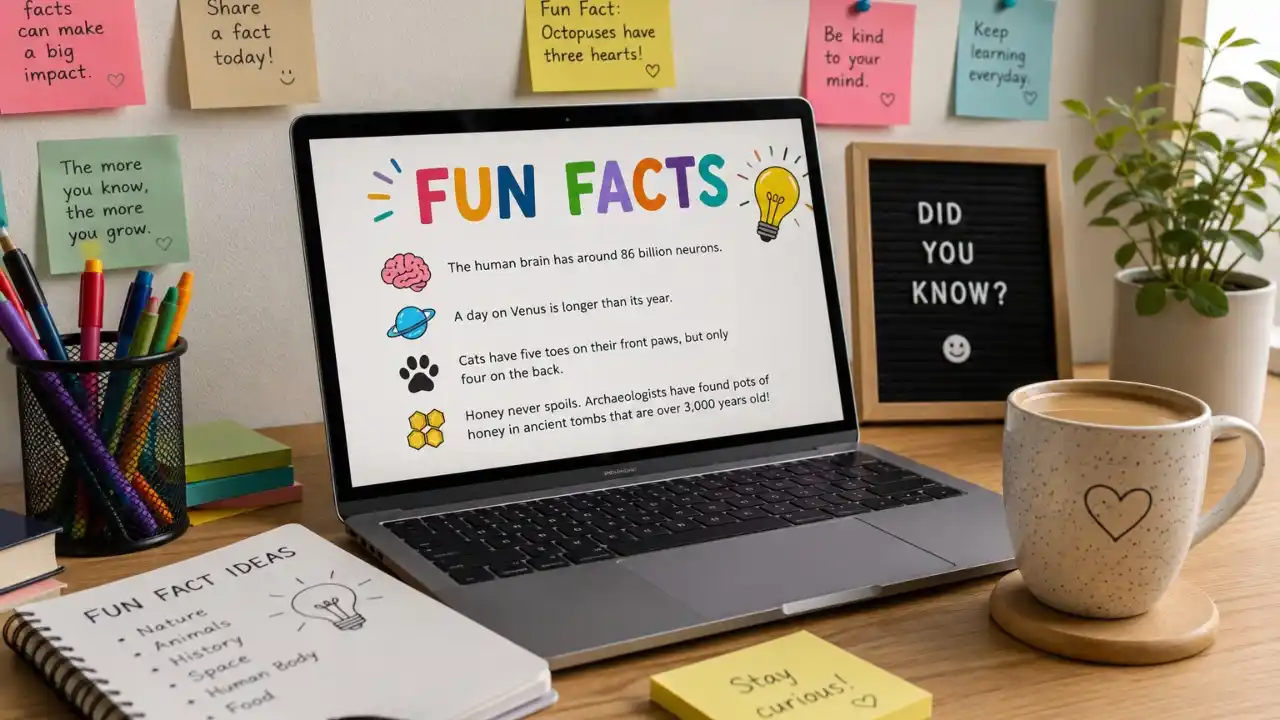
If you enjoy discovering interesting websites, creative blogs and the stories behind online content, you may have come across the phrase lovelolablog fun facts while searching for something different to read. At first glance, fun facts might seem like simple entertainment. However, the best fact-based articles do more than list random details. They give readers useful context, explain why something matters and help them understand the story behind a website or online community.
That is what makes LoveLolaBlog an interesting subject to explore. Rather than focusing only on surface-level trivia, it is worth looking at the broader ideas that make a blog memorable: how content evolves, why certain topics attract attention, how readers interact with information and what aspiring bloggers can learn from the process.
Here are some interesting insights and lovelolablog fun facts worth discovering, along with practical lessons that apply to modern blogging and digital publishing.
1. A Blog Can Become More Than a Collection of Articles
One of the most interesting things about a blog is how its identity develops over time.
A website may begin with a relatively simple publishing idea, but its personality often becomes clearer as more articles appear. Readers start to recognise particular writing styles, recurring subjects and familiar approaches to explaining information.
This is an important lesson for anyone building a website. A blog does not necessarily need to have everything figured out on day one. A clear purpose, consistent quality and a genuine understanding of the audience can help shape its identity.
For readers, this also explains why returning to a favourite blog can feel different from visiting a random website. Familiarity creates trust, while useful content gives people a reason to return.
2. Fun Facts Work Best When They Tell a Bigger Story
A list of facts can be entertaining, but context makes those facts memorable.
For example, instead of simply saying that a blog publishes different types of content, a better approach is to explain how different subjects can serve different reader needs. One visitor might want a quick answer, another may be looking for inspiration, while someone else might enjoy discovering a completely new topic.
This is one of the most useful lovelolablog fun facts to consider: the value of a blog often comes from the connection between its content and its audience.
The same principle applies to content creators. A strong article should not simply answer, “What is this?” It should also consider questions such as:
- Why does this matter?
- Who will find it useful?
- What can the reader do with this information?
- What makes the subject interesting or different?
That approach turns ordinary information into something more engaging.
3. The Best Blog Content Often Mixes Information and Personality
Readers rarely connect with content that feels completely mechanical.
Even an informational article can become more enjoyable when the writer uses examples, relatable situations and a natural voice. This does not mean sacrificing accuracy. In fact, the strongest content combines useful information with a style that feels human.
Imagine reading an article about starting a personal blog. A dry explanation might list hosting, domain names and content management systems. A more engaging version could explain what it actually feels like to publish the first article, discover that nobody comments immediately and then gradually learn what readers respond to.
That practical perspective gives information more meaning.
For LoveLolaBlog-style content, this balance between information and personality can be especially valuable. Readers are not simply looking for facts; they often want to understand the experience behind them.
4. Reader Interest Can Shape the Direction of a Blog
Another fascinating aspect of blogging is the relationship between creators and their audiences.
Writers may have an original plan for their website, but reader behaviour can reveal unexpected opportunities. Articles that attract comments, shares or repeat visits may highlight subjects that deserve further exploration.
This does not mean chasing every trend.
Instead, smart bloggers look for patterns. If readers consistently ask follow-up questions about a particular subject, that feedback can inspire a detailed guide. If a practical article performs well, the creator might develop a related checklist or step-by-step tutorial.
This is a useful real-world lesson from the world of lovelolablog fun facts: successful content is often shaped by a combination of creator knowledge and genuine audience needs.
5. Not Every “Fun Fact” Online Is Automatically a Verified Fact
This point deserves special attention.
When searching for information about a blog, readers may encounter claims about founding dates, follower numbers, team members, milestones or viral posts. Unless the website itself or another reliable source confirms these details, it is better to treat them as unverified rather than established facts.
That is particularly important for content designed to demonstrate expertise and trust.
A responsible article should distinguish between:
Verified information: Details supported by the website, official pages or reliable external sources.
Interpretation: Reasoned observations based on visible content and publishing patterns.
Unverified claims: Statements that sound factual but lack a reliable source.
This simple distinction makes content more trustworthy.
Google’s guidance emphasises helpful, reliable, people-first content and encourages creators to provide original information, research or analysis rather than simply repeating what other pages say. It also recommends making it clear who created the content and why it exists.
6. A Blog’s Content Categories Can Reveal Its Editorial Strategy
Categories are more than navigation tools.
They can show readers how a website organises information and what types of subjects it considers important. A well-structured category system can also make it easier for visitors to discover related articles.
From a practical perspective, imagine someone arriving at a blog through a search engine. They read one article and enjoy it. If the site presents clear related categories, the visitor can continue exploring instead of leaving immediately.
For bloggers, this creates a valuable lesson: content organisation matters.
A simple structure might include:
- Informational guides
- News and updates
- Lifestyle content
- Fun facts
- Practical tips
- Community-focused stories
The exact categories depend on the website, but the principle remains the same. Good organisation helps readers find their next useful piece of content.
7. Short, Shareable Facts Can Introduce New Readers to a Website
Fun-fact articles have another advantage: they can provide an easy entry point.
Someone who does not know much about a blog may not want to begin with a long technical guide. A concise collection of interesting facts can offer a quick overview before the reader explores deeper content.
For example, a reader might discover a website through a search for an unusual fact. After enjoying the article, they may browse the site’s other categories and discover subjects they did not originally search for.
This creates a natural content journey:
Discover → Read → Explore → Return
That journey is valuable for both readers and publishers because it focuses on genuine interest rather than forcing visitors towards unrelated pages.
8. Blogging Is Often a Learning Process
One of the most overlooked lovelolablog fun facts is really a broader observation about blogging: every published article can become part of a creator’s learning process.
Writers learn by researching subjects, checking sources, responding to readers and improving old content. Over time, this can lead to stronger writing and better editorial decisions.
A beginner might initially write broad articles because they are easy to produce. Later, they may discover that readers prefer detailed guides with practical examples. That experience can influence future content.
This is why successful blogging rarely happens through one perfect article. It usually develops through continuous improvement.
9. The Most Valuable “Fun Fact” May Be What Readers Can Learn
The best fun facts do not end with entertainment.
They leave readers with something useful.
For someone interested in blogging, LoveLolaBlog can provide a starting point for thinking about content strategy, audience engagement and website organisation. For a casual reader, the appeal may simply be discovering something new.
Either way, the key lesson is simple: interesting information becomes more valuable when it connects to a real-world purpose.
If you are planning your own website, for example, you could take inspiration from this approach by creating a “Did You Know?” section that answers small questions related to your niche. A food website might explain surprising ingredient facts. A travel blog could share unusual local traditions. A technology site might explore lesser-known features of popular tools.
The format changes, but the principle stays the same.
10. Good Blogging Combines Curiosity With Trust
Ultimately, the most important lesson behind lovelolablog fun facts is that curiosity and credibility should work together.
Readers enjoy surprising information, but they also want to know whether the information deserves their trust. A strong article therefore avoids exaggeration, checks important claims and clearly separates confirmed facts from personal interpretation.
For website owners, this approach can strengthen long-term credibility. For readers, it makes online research easier because they can better judge which information deserves confidence.
What These Fun Facts Mean for Modern Bloggers
The world of blogging has changed considerably. Publishing an article is easy, but creating content that people genuinely value requires more thought.
A strong blog should answer real questions, offer useful context and give readers a reason to continue exploring. It should also have a clear purpose and a recognisable voice.
If you are building a blog yourself, consider these practical lessons:
- Choose a clear audience. Know who you want to help.
- Research before publishing. Check important facts and avoid unsupported claims.
- Add original value. Give readers analysis, examples or practical advice.
- Write naturally. Avoid forcing keywords into every paragraph.
- Organise content clearly. Use categories and internal links to guide visitors.
- Listen to readers. Questions and feedback can reveal useful future topics.
- Update important information. Remove outdated claims when circumstances change.
These principles align closely with Google’s people-first guidance, which encourages content that demonstrates experience, expertise, authoritativeness and trustworthiness while satisfying the reader’s actual goal. Google also stresses that E-E-A-T itself is not a single ranking factor; rather, it is a useful framework for thinking about the qualities that help content earn trust.
Final Thoughts
The most interesting lovelolablog fun facts are not necessarily the loudest or most sensational claims. The real interest comes from understanding how blogs develop personalities, how audiences influence content and why useful information keeps readers coming back.
For casual readers, exploring these ideas can make a simple blog visit more enjoyable. For aspiring publishers, they offer practical lessons about creating a website that feels useful rather than disposable.
The biggest takeaway is straightforward: great blogging is about more than publishing words. It is about understanding people, presenting information clearly, building trust and continually finding better ways to serve an audience.
That is what turns a collection of online articles into a destination readers genuinely want to visit again.