
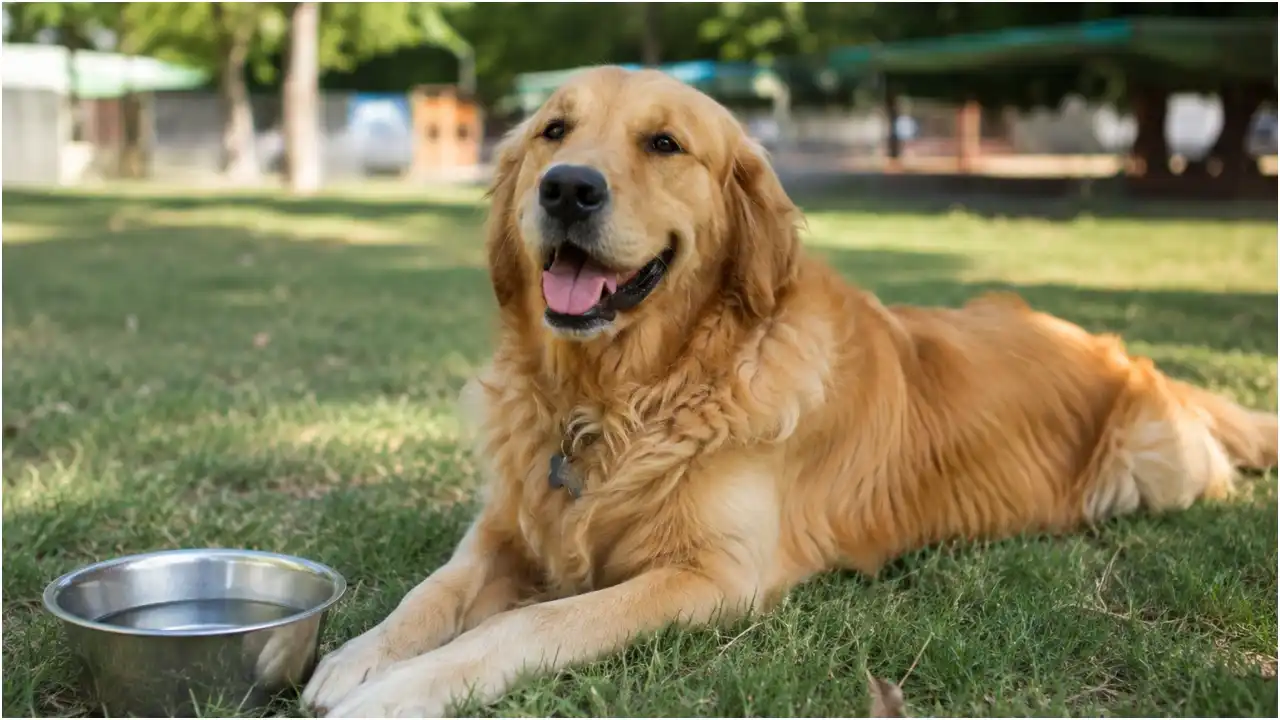
: Complete Guide to Nutrition, Care, Training, and Health
Taking care of a dog is about much more than filling a food bowl each morning. Good dog care combines nutrition, exercise, training, grooming, enrichment, preventive health care, and a safe home environment. The right routine also changes as a dog grows, so what works for a puppy may not suit an adult or senior dog.
This guide to llblogpet advice for dogs by lovelolablog brings these areas together in a practical way. Instead of treating every dog the same, it focuses on habits owners can adapt to their pet’s age, lifestyle, body condition, and individual needs.
Key Takeaways
- Choose a complete and balanced diet that suits your dog’s life stage and health needs.
- Measure food portions instead of relying only on visual estimates.
- Keep treats and snacks within the dog’s daily calorie budget.
- Combine physical exercise with mental activities such as scent games and food puzzles.
- Use reward-based training and keep household rules consistent.
- Regular grooming can help owners notice changes in the skin, coat, paws, ears, and nails.
- Keep vaccinations, parasite prevention, dental care, and wellness examinations on a veterinarian-guided schedule.
- Treat sudden or severe health changes as reasons to contact a veterinary professional.
Smart Nutrition and Feeding Habits for Dogs
Food is one of the biggest factors in long-term dog health, but choosing a diet should not come down to a single ingredient or marketing phrase. Dogs have different nutritional requirements during growth, adulthood, pregnancy, and later life. AAHA notes that life stage and medical history can change a dog’s nutritional needs.
LLBlogPet advice for dogs by LoveLolaBlog starts with a simple principle: choose food according to the individual dog rather than following a one-size-fits-all feeding plan.
Puppies Need Growth-Supporting Nutrition
Growing puppies need diets formulated for development. Their portions and feeding frequency can also differ from those of adult dogs.
Rather than guessing how much a puppy should eat, owners should use the feeding guidance on the food label as a starting point and discuss adjustments with their veterinarian. Body condition, growth rate, breed size, and activity all matter.
A useful habit is to monitor growth regularly rather than increasing food every time a puppy appears hungry.
Adult Dogs Need Portion Control
Adult dogs generally need food that maintains a healthy body condition rather than supporting rapid growth. Measure meals with a proper cup or kitchen scale when appropriate, and consider all extras when calculating daily calories.
Treats are easy to overlook. Veterinary guidance commonly recommends keeping treats and snacks to no more than about 10% of daily calories, with the remaining calories coming from the dog’s complete and balanced diet.
For example, instead of giving several large biscuits during training, an owner can divide a dog’s normal kibble into small rewards.
Senior Dogs May Need a Different Approach
Older dogs can experience changes in activity, body condition, digestion, and medical needs. Some may need fewer calories because they move less, while others may have conditions requiring a specific veterinary diet.
Do not automatically add supplements because a dog is getting older. Discuss supplements, joint products, or diet changes with your veterinarian, particularly if the dog takes medication or has an existing health condition.
Change Food Gradually
Switching food overnight can upset some dogs’ stomachs. A gradual transition allows the digestive system time to adjust. If vomiting, persistent diarrhea, refusal to eat, or other concerning symptoms develop, contact a veterinarian.
Fresh drinking water should also remain available throughout the day.
Daily Care, Exercise, Training, and Enrichment
Nutrition provides the foundation, but daily habits shape a dog’s quality of life. LLBlogPet advice for dogs by LoveLolaBlog encourages owners to look beyond physical exercise and build a routine that also supports confidence, learning, and calm behavior.
Match Exercise to the Individual Dog
A young, energetic dog may enjoy longer walks and active games, while an older dog may do better with shorter, gentler outings.
Breed tendencies can provide useful clues, but they should not replace observation. If a dog becomes unusually tired, limps, struggles in warm weather, or seems reluctant to exercise, reduce activity and seek veterinary advice when appropriate.
Mental exercise also counts. Sniffing walks, puzzle feeders, hide-and-seek games, and simple obedience exercises can give dogs useful challenges without requiring intense physical activity.
Make Training Short and Rewarding
Training works best when owners communicate clearly and reward desired behavior. Start with practical skills such as sit, stay, recall, leave it, and loose-leash walking.
A five-minute session can be more productive than a long session that leaves the dog frustrated.
For example, if your dog pulls toward the door, reward calm behavior before opening it. This teaches the dog that patience—not pulling—gets access to something exciting.
Use Enrichment to Prevent Boredom
Bored dogs may create their own entertainment by chewing furniture, barking excessively, digging, or searching for food.
Try rotating safe toys rather than leaving every toy available every day. You can also hide part of the dog’s normal meal in a food puzzle or create a simple scent-search game.
Supervise unfamiliar toys and remove anything that becomes damaged or could be swallowed.
Grooming Is More Than Appearance
Brushing, nail care, bathing, and coat maintenance depend on the individual dog’s coat and lifestyle. Grooming sessions also give owners a chance to notice unusual lumps, irritated skin, damaged nails, ear changes, or parasites.
Dental care deserves regular attention as well. Ask your veterinary team about brushing techniques and products designed specifically for dogs.
Preventive Health and Warning Signs Owners Should Know
Prevention can make dog care more manageable because it focuses on maintaining health rather than waiting for obvious illness. LLBlogPet advice for dogs by LoveLolaBlog should therefore be viewed alongside regular professional veterinary care.
Keep Preventive Care on Schedule
Vaccinations, parasite prevention, dental examinations, and wellness visits should follow a plan based on the dog’s age, location, lifestyle, and health history.
Instead of copying another dog’s schedule, ask your veterinarian which vaccines and parasite-control measures are appropriate for your pet.
Keep veterinary records in one place. A simple phone reminder can help owners remember upcoming appointments and preventive treatments.
Monitor Weight and Body Condition
A scale provides useful information, but body condition matters too. A dog can gain weight gradually without the change being obvious from day to day.
Check your dog’s body shape regularly and discuss changes with your veterinarian. Weight-management plans should account for food, treats, activity, and medical factors.
Know the Signs That Need Attention
Owners should take sudden health changes seriously. Difficulty breathing, collapse, severe bleeding, seizures, serious injury, or suspected poisoning can require urgent veterinary attention.
Less dramatic changes can also matter. Persistent vomiting or diarrhea, unexplained weight loss, reduced appetite, unusual thirst, sudden behavior changes, or new lumps deserve a conversation with a veterinary professional.
Avoid trying to diagnose serious conditions from an online article. A veterinarian can examine the dog and decide whether testing or treatment is necessary.
Building a Sustainable Dog-Care Routine
The strongest dog-care routine is one that an owner can realistically maintain. Create a simple daily pattern around meals, exercise, training, enrichment, rest, and fresh water.
Once a week, check grooming needs and inspect paws, nails, ears, and coat. Keep a record of food changes, unusual behavior, weight changes, and veterinary appointments.
The goal is not perfection. It is consistency.
A practical approach to llblogpet advice for dogs by lovelolablog combines everyday observation with reliable veterinary guidance. Feed appropriately, reward good behavior, provide suitable exercise, protect against preventable health problems, and respond when something changes.
Dogs cannot explain when they feel different, so attentive owners become their first line of observation. Small habits—measuring food, checking body condition, practicing recall, cleaning teeth, or noticing a new behavior—can make a meaningful difference over time.
Most importantly, treat online pet-care information as education rather than a replacement for individualized veterinary advice. When everyday care and professional guidance work together, owners can give their dogs a safer, healthier, and happier life.
For more informative articles, visit our site daily.