
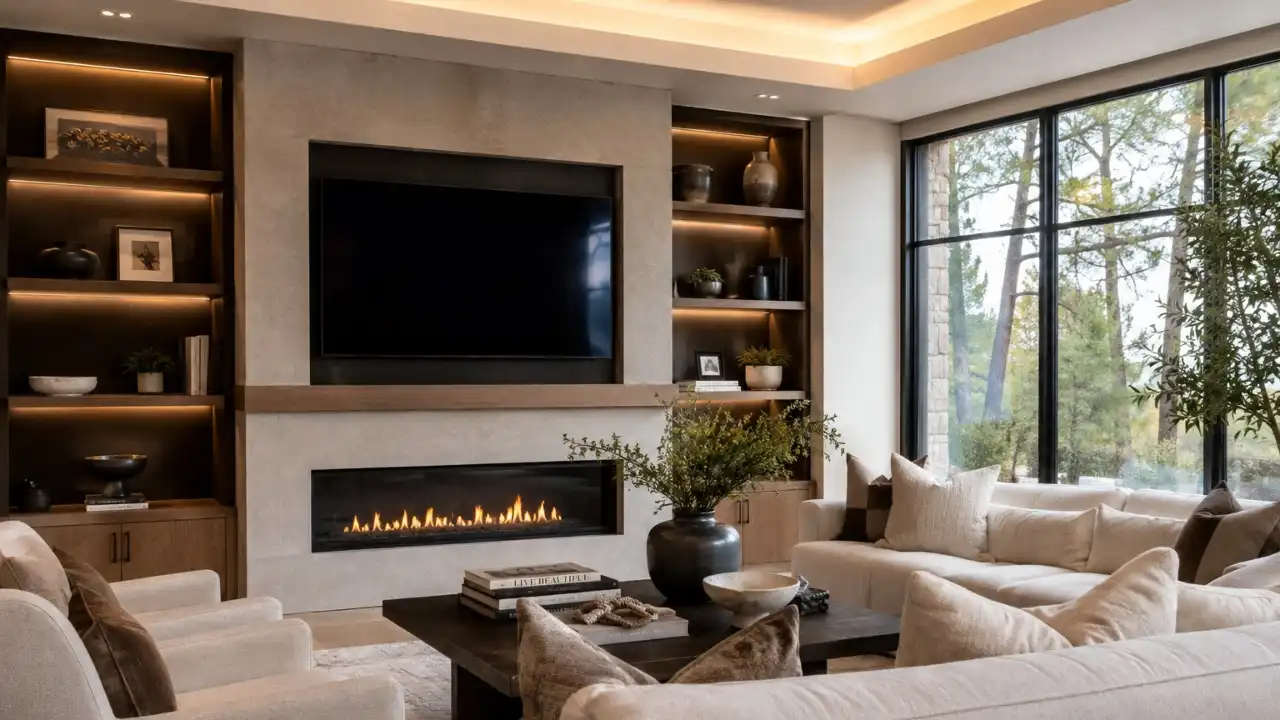
Writing about a luxury interior design website is not simply a matter of describing beautiful rooms. Good content should explain why a space works, what readers can learn from it, and how they can apply the ideas to real homes. If you are preparing content for start writing about LuxuryInteriors.org, the strongest approach is to understand the site’s focus, identify the reader’s needs, and then add useful analysis rather than repeating generic design advice.
What Is LuxuryInteriors.org About?
LuxuryInteriors.org presents itself as a destination covering architecture, interior design, décor, and luxury lifestyle. Its current content includes architectural features, decorating advice, furniture, kitchens, windows, lighting, and lifestyle subjects. That editorial mix gives writers room to explore, but each article still needs a specific purpose.
Before writing, spend time reviewing the site’s categories and recent articles. Look for recurring themes, the level of detail used, and topics that have already received substantial coverage. This audit can prevent duplicate ideas and reveal a useful angle.
Start With a Reader Problem
The best place to start writing about LuxuryInteriors.org is not the keyword. Start with a question a real reader wants answered.
For example, instead of writing “Luxury Interior Design Ideas,” consider a more focused question: “How can a small living room look luxurious without expensive custom furniture?” That topic gives you room to discuss proportion, lighting, textiles, storage, and material choices.
A practical article should leave readers able to act. Explain the decision, give an example, and mention a common mistake. If you discuss marble, for instance, explain where it works well and why maintenance, finish, and traffic levels matter. That is more useful than simply calling marble “luxurious.”
Understand What Luxury Means Today
Luxury interior design has moved beyond a simple display of expensive objects. Current design coverage increasingly emphasizes warmth, personalization, craftsmanship, natural materials, and comfortable spaces. Recent discussions also highlight sculptural lighting and tactile surfaces as ways to give rooms character.
This shift matters when you create content for LuxuryInteriors.org. Explore how luxury feels, not just how it looks. A handmade cabinet, carefully selected artwork, or well-planned lighting scheme can make a stronger design statement than a room filled with expensive products.
Consider the experience of living in the space. Can people move comfortably? Does lighting work throughout the day? Are materials durable enough? Does the design reflect the owner’s personality? These questions turn decoration into informed guidance.
Build Topics Around the Site’s Main Themes
A strong content plan can connect several related subjects without becoming repetitive.
Architecture articles can explore windows, proportions, natural light, floor plans, and indoor-outdoor connections. Design and décor pieces can cover furniture layouts, color palettes, textures, artwork, window treatments, and statement pieces. Lifestyle articles can examine how wellness, entertaining, work, and travel influence residential design.
For start writing about LuxuryInteriors.org, think in topic clusters rather than isolated posts. A main guide about luxury living rooms could link naturally to supporting articles about lighting, rugs, seating arrangements, wall finishes, and artwork. This gives readers a logical path through related information.
Use Examples That Feel Real
Specific examples make interior content easier to trust and understand. Imagine a 1,500-square-foot apartment with an open living and dining area. Rather than recommending “more luxury,” explain how a designer might create distinction between zones with a large rug, layered lighting, and furniture placement while keeping a consistent material palette.
Another example could involve a dark hallway. Instead of adding random decorative objects, a writer could discuss reflective finishes, wall lighting, artwork, and a lighter ceiling to improve the sense of depth.
These examples show readers how design principles translate into decisions.
Write With Evidence and Editorial Honesty
Research matters, especially when discussing materials, architecture, technology, or design history. Use reliable sources for factual claims and separate facts from interpretation. Google recommends helpful, reliable, people-first content and clear authorship.
Avoid unsupported claims such as “this material always increases property value” or “this trend will dominate every luxury home.” Design depends on location, building type, budget, climate, lifestyle, and personal taste.
If you have direct experience with a product, room, project, or design process, explain what you observed. If you have not personally tested something, do not imply that you have. That distinction strengthens credibility.
Optimize Naturally for Search
SEO should support the reader. Use the primary phrase, “for start writing about luxuryinteriors.org,” where it fits naturally, especially in the title, introduction, and one or two relevant sections. Do not force the phrase into every paragraph.
Build semantic relevance with terms such as luxury interior design, high-end home décor, architectural design, premium materials, lighting, furniture, craftsmanship, and personalized interiors. Use descriptive headings so both readers and search engines can understand the article’s structure.
A useful meta description might promise practical guidance on researching topics, choosing angles, and creating credible luxury interior content. Your title should accurately describe the article clearly.
Create a Repeatable Writing Process
A simple workflow makes quality easier to maintain. First, inspect LuxuryInteriors.org and identify the intended audience. Second, choose one specific reader problem. Third, research primary and secondary sources. Fourth, create an outline with a clear introduction, useful sections, examples, and a concise conclusion. Fifth, draft naturally before optimizing keywords. Finally, fact-check every important claim and remove unnecessary repetition.
For start writing about LuxuryInteriors.org, this process is more valuable than chasing a particular word count. A 1,000-word article should feel complete, not stretched.
Final Thoughts
The strongest way to write for a luxury design audience is to combine visual inspiration with practical reasoning. LuxuryInteriors.org covers a wide editorial landscape, so writers can explore architecture, décor, furniture, lighting, lifestyle, and emerging design ideas. The opportunity is to add perspective: explain what works, why it works, where it may fail, and how readers can adapt the idea to their own spaces.
If you approach for start writing about LuxuryInteriors.org as an editorial task rather than a keyword exercise, your content can become more useful, credible, and naturally optimized for long-term search visibility.